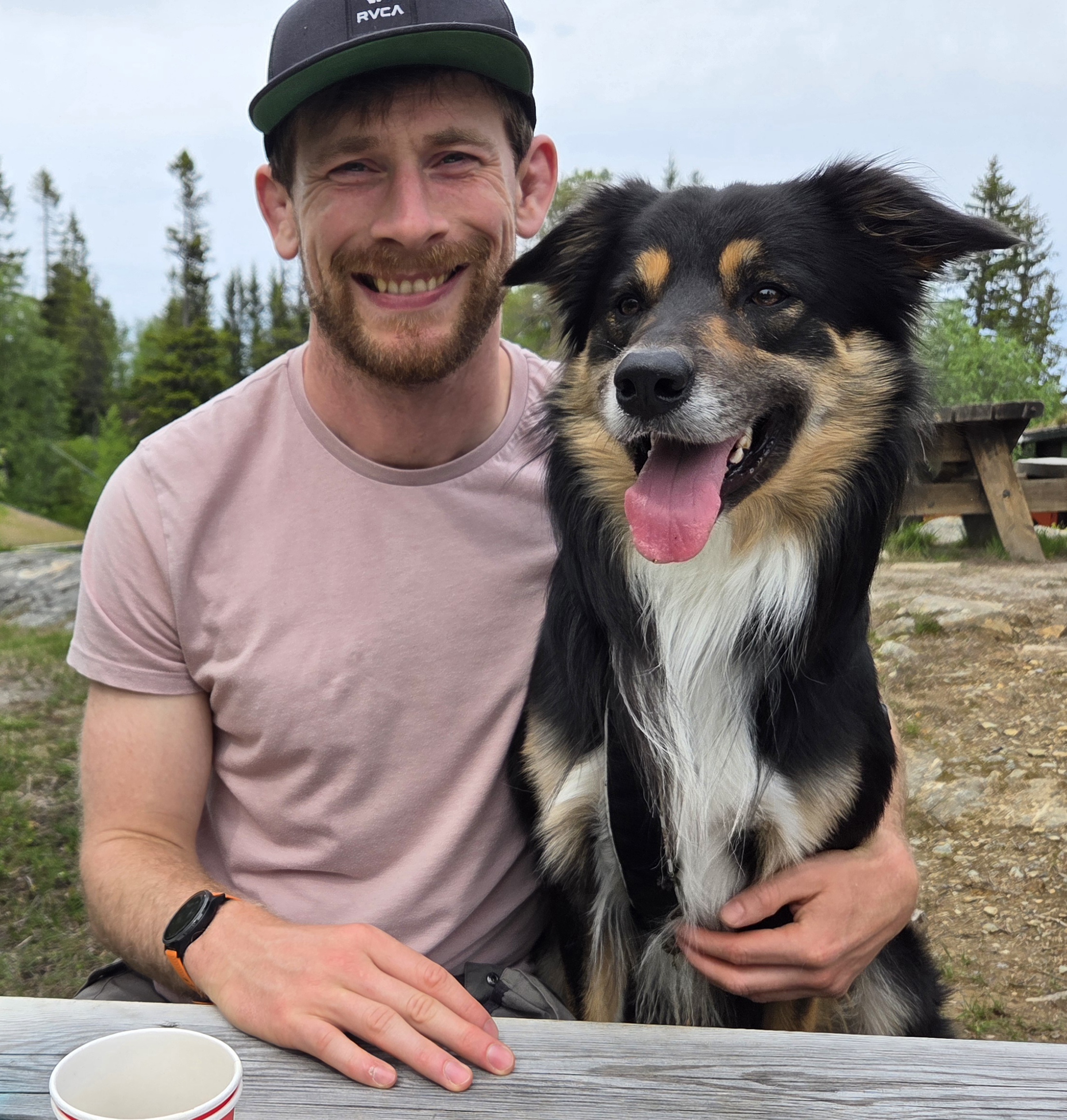
About me
I am a researcher at the Norwegian Institute for Nature Research with a strong background in spatial statistics, computer vision, and AI. I do love to apply deep learning methods to bioacoustic and remote sensing data for large scale biodiversity conservation!
Research Focus
AI & bioacoustics
Applying deep learning to bioacoustic data for biodiversity monitoring.
Computer vision
Using visual and remote sensing data to understand environmental change.
Spatial statistics
Modelling ecological patterns and processes across space and scale.
Citizen science
Working with crowdsourced data and correcting biases in opportunistic observations.
Languages
🇫🇷 French • 🇬🇧 English • 🇳🇴 Norwegian
🎯 Fun Facts
🔬 About My Research
Research in action
TABMON Coordinator
A Biodiversa+ project establishing a transnational acoustic biodiversity monitoring network of more than 100 sensors across Norway, the Netherlands, France, and Spain. We combine AI and acoustic data to study bird migration and generate biodiversity indicators for EU environmental policy.
ROaR Work-package lead
Developing methods for training acoustic models with few data.
HABLOSS
Studying nature habitat loss using remote sensing data.
BEAGLE Work-package co-lead
Co-leading a work package extending biodiversity data collection across eDNA, acoustic, and camera-trap modalities in an EU Horizon project.